
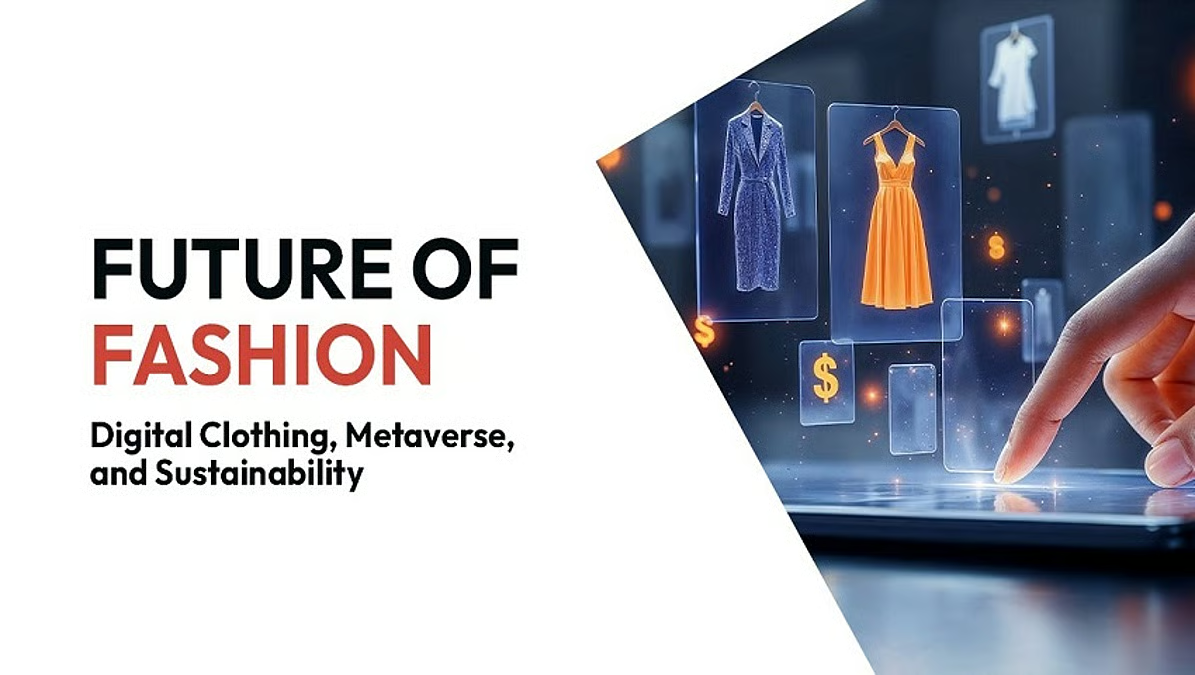
The Future of Fashion: How Innovation, Sustainability, and Technology Are Transforming the Clothing Industry
Fashion has always been a reflection of society. From handcrafted garments worn by ancient civilizations to the high-tech collections showcased on international runways, clothing has continuously evolved alongside human progress. Today, however, the fashion industry is experiencing one of the biggest transformations in its history.
Rapid advances in technology, growing awareness of environmental issues, and changing consumer expectations are redefining how clothes are designed, manufactured, marketed, and worn. Fashion is no longer limited to fabrics and stitching—it now includes artificial intelligence, smart textiles, virtual fitting rooms, digital clothing, and sustainable production methods.
Consumers are becoming more informed than ever before. They want clothing that looks stylish, feels comfortable, lasts longer, and aligns with their personal values. As a result, brands around the world are investing in innovation while embracing more responsible practices.
This article explores the future of fashion and examines the trends that are expected to shape the clothing industry over the coming years.
Fashion Is Entering a New Era
The fashion industry has traditionally been driven by seasonal collections and rapidly changing trends. While creativity remains at the heart of fashion, the way clothing reaches consumers is changing dramatically.
Online shopping, social media, artificial intelligence, and data-driven design have accelerated the speed at which trends spread across the globe. Consumers can now discover, purchase, and receive new styles within days—or even hours.
Brands are responding by becoming more flexible, producing smaller collections, and listening closely to customer feedback.
Artificial Intelligence in Fashion
Artificial intelligence (AI) is becoming one of the most powerful tools in modern fashion.
Rather than replacing designers, AI assists them by analyzing customer preferences, predicting upcoming trends, and improving inventory management.
AI can help retailers:
- Forecast popular colors and styles.
- Recommend personalized outfits.
- Reduce excess inventory.
- Improve online shopping experiences.
- Optimize clothing production.
Many fashion websites now use AI-powered recommendation systems that suggest products based on browsing history, previous purchases, and personal style preferences.
The Rise of Smart Clothing
Technology is expanding beyond smartphones and wearable devices—it is becoming part of the clothes themselves.
Smart clothing includes fabrics embedded with advanced technologies that provide additional functionality while remaining comfortable to wear.
Examples include:
- Temperature-regulating jackets.
- Fitness-tracking shirts.
- UV-protection fabrics.
- Water-resistant textiles.
- Self-cleaning materials.
- Heated winter clothing.
As wearable technology becomes more affordable, smart garments are expected to become increasingly common.
Sustainable Fashion Is Becoming the Standard
Perhaps the biggest shift in modern fashion is the growing demand for sustainability.
For many years, fast fashion encouraged frequent purchasing and rapid disposal of clothing. While this made fashion more affordable, it also increased waste and environmental challenges.
Today’s consumers are encouraging brands to adopt more responsible practices.
Sustainable fashion focuses on:
- Organic cotton.
- Recycled fabrics.
- Ethical manufacturing.
- Fair labor practices.
- Reduced water consumption.
- Lower carbon emissions.
- Long-lasting garment quality.
Consumers increasingly value clothing that combines style with environmental responsibility.
Digital Fashion and Virtual Clothing
One of the newest developments in the fashion industry is digital fashion.
Unlike traditional garments, digital clothing exists only in virtual environments. People can purchase digital outfits for online avatars, gaming platforms, virtual meetings, or social media content.
Luxury fashion brands have already begun experimenting with virtual collections, opening entirely new opportunities for designers and consumers alike.
As virtual and augmented reality technologies continue to improve, digital fashion is expected to become an increasingly important part of the industry.
3D Printing Is Changing Clothing Production
Traditional clothing manufacturing often involves significant material waste.
3D printing offers an alternative approach by creating garments with exceptional precision and minimal waste.
Potential advantages include:
- Custom-made clothing.
- Faster production.
- Reduced fabric waste.
- Unique artistic designs.
- Local manufacturing.
Although still developing, 3D printing has the potential to transform how garments are produced in the future.
Personalized Fashion Experiences
Consumers increasingly want clothing that reflects their individual style rather than mass-produced trends.
Technology now allows brands to offer personalized experiences through:
- Custom sizing.
- Personalized color recommendations.
- Made-to-order garments.
- AI styling assistants.
- Virtual wardrobe planning.
This shift toward personalization helps reduce unnecessary purchases while increasing customer satisfaction.
Virtual Fitting Rooms
One of the biggest challenges of online shopping has always been uncertainty about sizing.
Virtual fitting rooms use augmented reality and body-scanning technology to help shoppers visualize how clothing may look before purchasing.
Benefits include:
- Better size accuracy.
- Fewer product returns.
- Greater customer confidence.
- Improved online shopping experiences.
As these technologies improve, they are likely to become standard features on fashion websites.
The Return of Timeless Fashion
While technology drives innovation, many consumers are moving away from constantly changing trends.
Instead, there is growing interest in timeless fashion built around quality, versatility, and longevity.
Capsule wardrobes—small collections of carefully selected clothing that can be mixed and matched—are becoming increasingly popular among people seeking simplicity and sustainability.
This approach emphasizes thoughtful purchasing over impulse buying.
Social Media Continues to Influence Fashion
Platforms such as Instagram, Pinterest, TikTok, and YouTube have transformed how fashion trends spread around the world.
Influencers, stylists, designers, and everyday users inspire millions through outfit ideas, styling tutorials, and fashion reviews.
Consumers now discover trends faster than ever before, making social media one of the industry’s most influential marketing tools.
The Importance of Ethical Manufacturing
Consumers are paying closer attention to where and how their clothing is made.
Many fashion brands now provide greater transparency about:
- Working conditions.
- Material sourcing.
- Factory standards.
- Environmental impact.
- Supply chain practices.
Ethical manufacturing is becoming an important factor in purchasing decisions, particularly among younger generations.
Fashion Careers of the Future
As the industry evolves, entirely new career opportunities are emerging.
Future fashion professionals may specialize in:
- Sustainable design.
- Digital garment creation.
- Fashion technology.
- AI-assisted styling.
- Virtual retail experiences.
- Smart textile engineering.
- Circular fashion systems.
The combination of creativity and technology is creating exciting possibilities for the next generation of designers and entrepreneurs.
Fashion Trends to Watch Beyond 2026
Industry experts predict continued growth in:
- Eco-friendly materials.
- Gender-inclusive fashion.
- AI-powered shopping.
- On-demand manufacturing.
- Rental clothing services.
- Clothing repair and resale.
- Smart wearable technology.
- Virtual fashion experiences.
- Circular economy initiatives.
These developments suggest that the future of fashion will prioritize quality, innovation, and sustainability over rapid consumption.
Final Thoughts
Fashion has always adapted to changing societies, and today’s transformation is unlike anything seen before. Technology is making clothing smarter, shopping more personalized, and production more efficient, while sustainability is encouraging consumers and brands to make responsible choices.
The future of fashion is not simply about wearing new styles—it’s about embracing innovation without losing sight of craftsmanship, individuality, and environmental responsibility.
As technology continues to evolve and consumer values shift, fashion will remain one of the world’s most creative and influential industries. Whether through sustainable materials, intelligent clothing, or digital experiences, the next chapter of fashion promises to be both exciting and inspiring.