
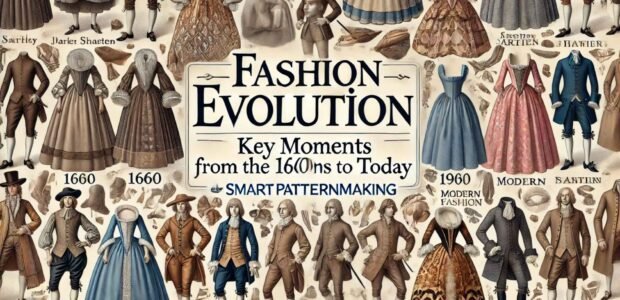
The History of Fashion: How Clothing Has Evolved Through the Centuries
Fashion is far more than fabric stitched together. It is a reflection of history, culture, technology, and human creativity. Every era has introduced new styles, materials, and trends that tell the story of the people who lived during that time. From the simple garments worn by ancient civilizations to the luxurious designer collections seen on today’s runways, fashion has continuously evolved alongside humanity.
Throughout history, clothing has served many purposes. It has protected people from the elements, symbolized wealth and social status, expressed cultural identity, and allowed individuals to showcase their personalities. Today, fashion is one of the world’s largest industries, influencing everything from entertainment and technology to sustainability and global culture.
This article explores the fascinating journey of fashion through the centuries, highlighting the major milestones that shaped the clothing we wear today.
Fashion in Ancient Civilizations
Long before fashion became an industry, clothing was primarily created for survival. Early humans used animal skins, leaves, and woven plant fibers to protect themselves from changing weather conditions. As civilizations developed, clothing gradually became more sophisticated and symbolic.
Ancient Egypt
The people of Ancient Egypt favored lightweight linen garments because of the country’s hot climate. White clothing was considered a symbol of purity and cleanliness. Wealthy Egyptians often wore finely woven linen decorated with gold jewelry, colorful gemstones, and elaborate headpieces.
Clothing also represented social status. Pharaohs and nobles wore luxurious fabrics and accessories, while workers dressed in simpler garments suited to daily labor.
Ancient Greece
Greek fashion emphasized elegance and simplicity. Men and women commonly wore draped garments made from wool or linen. These flowing robes allowed freedom of movement while creating graceful silhouettes.
Jewelry, sandals, and decorative belts completed many outfits, and clothing often reflected both practical needs and artistic ideals.
Ancient Rome
Roman clothing became more structured than Greek attire. The toga became one of the most recognizable garments in history, symbolizing Roman citizenship and political status.
Different colors and styles indicated a person’s rank within society. Senators, military leaders, and emperors wore distinctive clothing that reflected their authority.
Fashion During the Middle Ages
The Middle Ages brought dramatic changes to European fashion.
Clothing became increasingly elaborate among royalty and the wealthy. Luxurious fabrics such as velvet, silk, and brocade became symbols of power and prestige. Long gowns, embroidered cloaks, and decorative sleeves were popular among noble families.
Meanwhile, ordinary citizens continued wearing practical wool garments designed for everyday work.
Religion also influenced fashion during this period, encouraging modest clothing in many societies.
The Renaissance: Fashion Becomes Art
The Renaissance marked one of history’s greatest artistic and cultural movements.
Clothing became a powerful expression of wealth, education, and creativity. Tailors introduced intricate embroidery, colorful fabrics, puffed sleeves, lace collars, and richly decorated gowns.
European courts competed to display the most luxurious clothing possible. Fashion became increasingly influenced by painters, sculptors, and royal families.
This period established the idea that clothing could be both functional and artistic.
The 18th Century: Elegance and Luxury
Fashion reached new levels of extravagance during the 1700s.
Women’s dresses featured enormous skirts supported by structured frames, while men wore embroidered coats, waistcoats, powdered wigs, and silk stockings.
Luxury fabrics and handcrafted details demonstrated wealth and social standing.
However, these elaborate styles gradually disappeared following political revolutions, as simpler clothing became associated with equality and practicality.
The Industrial Revolution Changes Everything
The Industrial Revolution transformed fashion forever.
Before factories, every garment was handmade by skilled artisans, making clothing expensive and time-consuming to produce.
The invention of sewing machines and textile factories dramatically reduced production costs. Clothing became more affordable, allowing ordinary families to purchase fashionable garments.
Mass production also encouraged the growth of department stores, ready-to-wear collections, and standardized sizing.
Fashion was no longer limited to the wealthy.
The Birth of Modern Fashion
The late nineteenth and early twentieth centuries saw fashion become increasingly organized.
Professional fashion houses emerged, introducing seasonal collections and custom-made garments for wealthy clients.
Designers began influencing international trends, and magazines made fashion accessible to wider audiences.
Photography allowed people around the world to see the latest styles from Paris, London, Milan, and New York.
Fashion in the 1920s
The Roaring Twenties introduced bold new styles.
Women embraced shorter dresses, looser silhouettes, and elegant accessories as fashion reflected changing social roles and greater independence.
Popular trends included:
- Flapper dresses
- Cloche hats
- Pearl necklaces
- Art Deco jewelry
- Tailored suits for men
Fashion became more youthful, energetic, and expressive than ever before.
Fashion During the Mid-Twentieth Century
The decades following World War II introduced remarkable diversity in clothing.
The 1950s celebrated elegance with full skirts and tailored suits.
The 1960s embraced colorful prints, mini skirts, and youthful experimentation.
The 1970s became known for flared trousers, disco fashion, and bohemian influences.
The 1980s favored bold colors, oversized jackets, shoulder pads, and power dressing.
Each decade reflected changing cultural values and technological progress.
Fashion in the Digital Age
Today’s fashion industry is shaped by technology as much as creativity.
Online shopping has transformed how people purchase clothing, while social media platforms allow trends to spread globally within hours.
Fashion influencers, bloggers, and digital creators inspire millions of people every day through outfit ideas, styling tips, and product recommendations.
Consumers now have greater access to international brands than ever before.
Sustainable Fashion: The Future of Clothing
As awareness of environmental issues grows, sustainability has become one of fashion’s most important movements.
Consumers increasingly seek clothing made from organic cotton, recycled materials, and ethically sourced fabrics.
Many brands are reducing waste, improving working conditions, and adopting environmentally responsible manufacturing practices.
Second-hand shopping, clothing rental services, and garment recycling are becoming more popular as people look for ways to reduce fashion’s environmental impact.
The future of fashion is expected to balance creativity with responsibility.
Technology Meets Fashion
Innovation continues to reshape clothing design.
Modern developments include:
- Smart fabrics that regulate body temperature.
- Clothing with built-in fitness tracking.
- 3D-printed garments.
- Virtual fitting rooms.
- Artificial intelligence for personalized styling.
- Digital fashion collections for virtual environments.
Technology is making fashion more interactive, efficient, and personalized than ever before.
Why Fashion Will Always Matter
Fashion is much more than appearance.
It represents identity, confidence, culture, and creativity. Clothing tells stories about history, celebrates diversity, and allows individuals to express themselves without speaking.
Every generation contributes new ideas while preserving timeless traditions.
As society changes, fashion evolves alongside it, reflecting our shared experiences and aspirations.
Final Thoughts
The history of fashion is a story of innovation, culture, and human expression. From the simple garments of ancient civilizations to today’s technologically advanced and sustainable designs, clothing has always been an essential part of our lives.
Understanding fashion’s past helps us appreciate its present and imagine its future. While trends will continue to change, the desire to express ourselves through clothing remains timeless.
Fashion is not merely about what we wear—it is about who we are, where we come from, and how we choose to present ourselves to the world.